Loading...
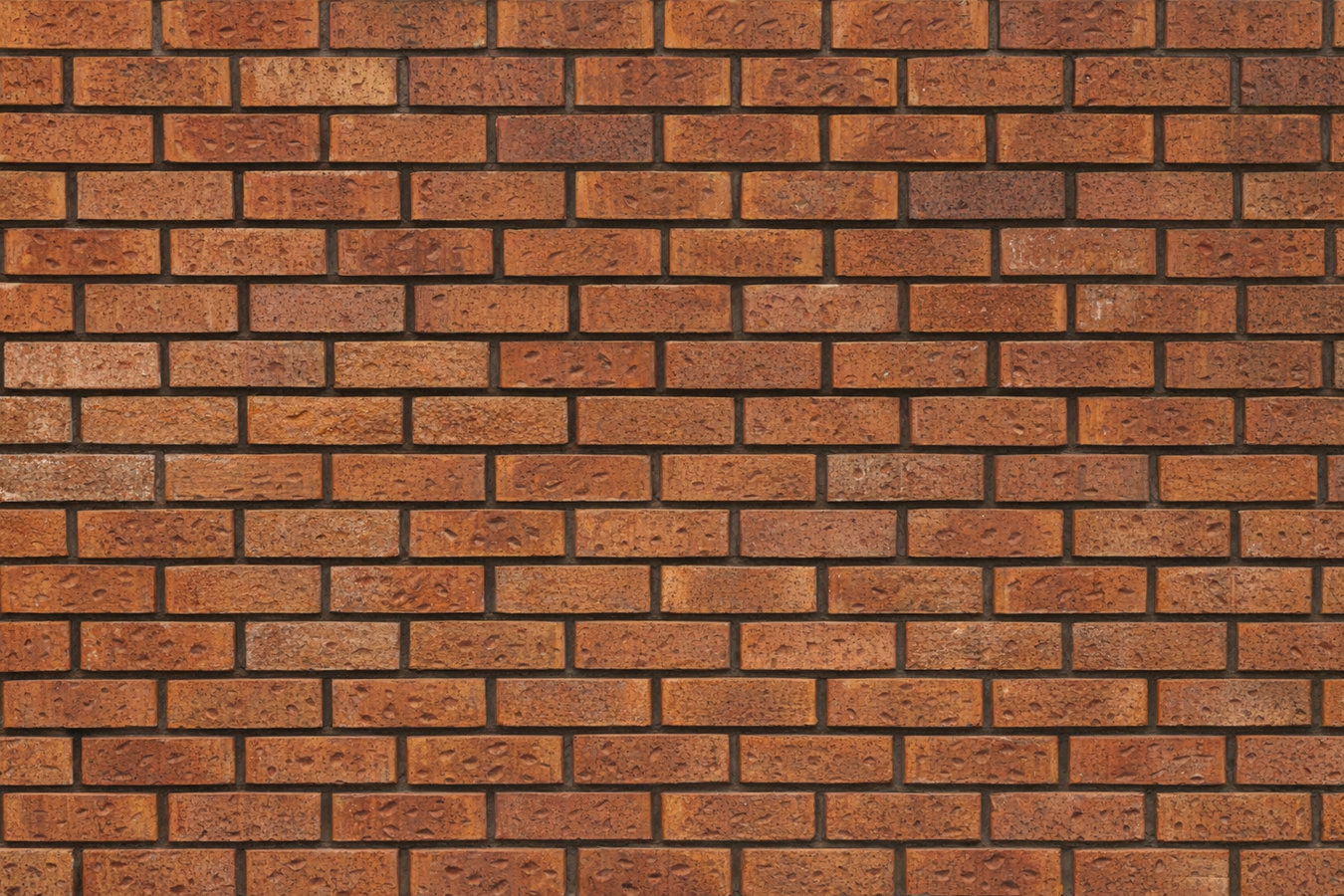
Failing mortar lets Cheney winters in. We grind out the old material, match your existing joints, and pack in fresh mortar so your brick and stone stay sealed through every freeze-thaw cycle.
Tuckpointing in Cheney, WA means removing crumbling mortar from brick or stone joints and packing in fresh, properly matched mortar to seal the wall - most single-wall or chimney jobs are completed in one to two days.
Mortar is softer than brick on purpose. It absorbs movement and moisture so the bricks themselves stay intact. In Cheney, at roughly 2,400 feet elevation on the eastern Washington plateau, freeze-thaw cycles hit mortar harder than in milder climates. Water works into tiny gaps, freezes, expands, and slowly grinds joints apart - often faster than homeowners expect.
If you are also dealing with damaged or spalled bricks, you may want to look at our brick repair service alongside tuckpointing to address both issues at once.
Run your finger along the joints between your bricks or stones. If the mortar feels soft, sandy, or flakes away with light pressure, it has lost its binding strength. Healthy mortar should feel firm and solid - if it does not, water is already getting in.
Chalky white streaks on your brick after snow melts are called efflorescence. They signal that water has been moving through the mortar and carrying dissolved minerals to the surface. In Cheney's freeze-thaw climate, this moisture will keep doing damage every winter until the joints are sealed.
Stand back and look at your brick wall in good daylight. Gaps, recessed lines, or places where mortar has pulled away from the brick edge are open channels for water. Even a small gap lets in enough moisture to cause serious damage over a Cheney winter.
New cracks in mortar joints appearing in November or December - especially on the west or northwest side of your home - are the freeze-thaw cycle at work. Cheney's elevation and cold winters make this a common pattern. Catching it early can prevent damage from spreading through the rest of the cold season.
Our tuckpointing work covers everything from single chimney stacks to full exterior walls and retaining surfaces. We grind out deteriorated mortar to a consistent depth, clean the joints, and pack in fresh mortar that is matched to your existing brick in both color and hardness. We also handle brick pointing for surfaces where only specific sections of the wall need attention, which reduces cost without cutting corners.
Older homes near Eastern Washington University often have lime-based original mortar that requires a careful blend to avoid transferring stress into the bricks themselves. We assess the original material before mixing a replacement, because using a mortar that is too hard on older, softer brick is one of the most common mistakes in this trade - and one of the most expensive to fix later.
Best for homeowners who have noticed mortar loss, staining, or moisture near their fireplace or wood stove.
Suited to homes where large sections of the facade show recessed joints, gaps, or efflorescence.
Ideal when damage is isolated to one side of the home - typically the wind-facing west or northwest wall.
A preventive option for homeowners who want to address minor joint wear before it becomes a major repair.
Cheney sits at roughly 2,400 feet on the eastern Washington plateau, where winter temperatures regularly dip below freezing and then climb back above it within the same week. Every freeze-thaw cycle is another round of water expanding in your mortar joints. The dry summer that preceded it contracts those joints, and then the wet fall delivers the moisture that freezes come November. This seasonal stress cycle is harder on masonry than either a consistently wet or a consistently dry climate - and it is why Cheney homeowners often notice new cracking or crumbling right after the first hard freeze.
Homes near Cheney, WA and out toward Medical Lake, WA are among the areas where we see the most tuckpointing requests each spring, after another winter has worked its way through older joints. A lot of that housing stock dates from the mid-20th century - properties built in the 1950s through 1970s where original mortar is now at or past its useful life.
Tell us what you are seeing - soft joints, white staining, gaps - and roughly where the wall is. We respond within one business day and will schedule a site visit at no cost to you.
We walk the wall, check mortar depth and color, and look for any loose bricks. You get a written estimate explaining what we found and what the work will cost - no surprise additions once we start.
We grind out old mortar to a consistent depth of about three-quarters of an inch, clean the joints, and pack in fresh mortar matched to your existing brick. Most single-wall or chimney jobs finish in one day.
We clean mortar dust from the surrounding area and walk you through the curing window - typically 24 to 48 hours before the wall should get wet. In Cheney's cooler fall temperatures, we will tell you what that means for your specific timing.
Free estimates, no obligation. We respond within one business day.
(509) 241-9778We assess original mortar before mixing a replacement - hardness, color, and composition. Using mortar that is too hard on older, softer brick transfers stress into the bricks themselves and shortens the life of both.
We walk your wall thoroughly before giving a number and explain exactly what we found. The price we quote is the price you pay - not a starting point for additions once work is underway.
We work regularly in Cheney's older neighborhoods, including homes near EWU built in the 1950s through 1970s. That experience matters when you are dealing with lime-based original mortar that requires a different approach than modern mixes.
We are registered through the Washington State Department of Labor and Industries, which requires a surety bond and liability insurance. You can{' '}verify contractor registration{' '}at lni.wa.gov before any work begins. This protects you if something goes wrong.
Tuckpointing done right is invisible work - your wall looks like it was always in good shape, and it stays sealed through Cheney winters for years to come. That is the standard we hold to on every job, because in a community this size, every project is a reference.
For permit questions specific to Cheney, see the City of Cheney Building Department. For mortar standards, the National Park Service Preservation Briefs are an authoritative reference, particularly for older homes.
When mortar failure has progressed to spalled or cracked bricks, brick repair addresses the structural damage that tuckpointing alone cannot fix.
Learn MoreA targeted approach for isolated joint wear, suited to walls that need maintenance in specific sections rather than a full repoint.
Learn MoreSpring scheduling fills up fast - reach out now to lock in your estimate and protect your brick through another winter.