Loading...
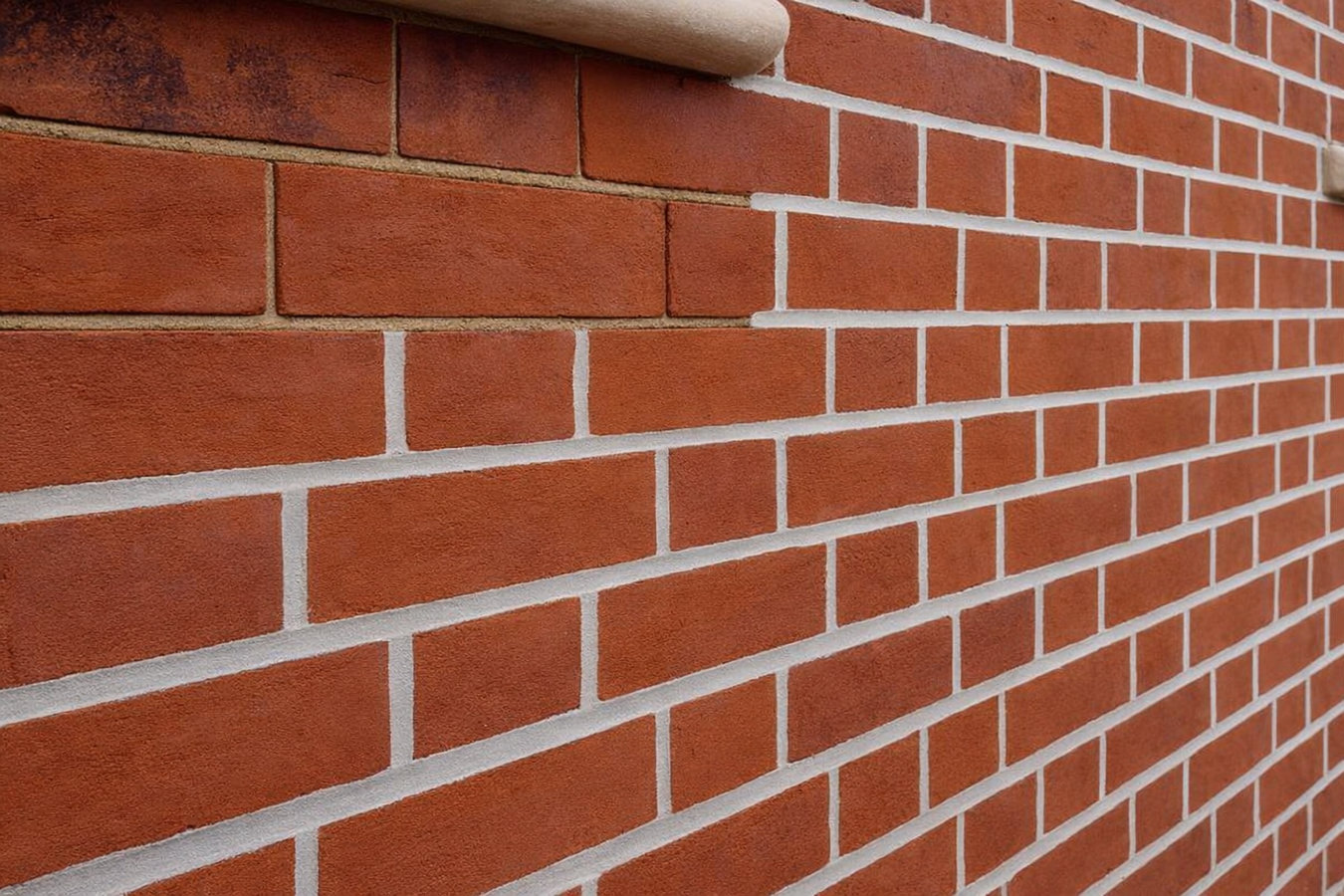
Crumbling mortar joints let water in, and every Cheney winter freezes that water and widens the gap. We remove the failed mortar, match the replacement to your existing wall, and pack the joints correctly so your brickwork is sealed before the cold sets in.
Brick pointing in Cheney is the process of carefully removing old, crumbling mortar from the joints between bricks and replacing it with fresh mortar that matches the original - most chimney and exterior wall projects take one to three days, with larger jobs running up to a week depending on surface area and accessibility.
Mortar is softer than brick by design - it absorbs movement and moisture so the bricks themselves do not crack. When it fails, water gets behind the wall, freezes during a Cheney winter, and slowly pushes bricks apart from the inside. What looks like a cosmetic issue at the end of September can be a structural one by April. Catching it early means a pointing job; waiting too long means replacing damaged bricks and rebuilding sections of wall. Homeowners in Cheney whose properties are older - especially near the Eastern Washington University campus, where much of the housing dates from the 1940s through 1970s - are often dealing with original mortar that has simply never been replaced. If you are also looking at tuckpointing to restore the decorative appearance of the joints, that work often happens alongside a pointing repair and uses the same mortar removal process.
The most important detail that separates a pointing job that lasts from one that fails within a few winters is mortar matching. New mortar that is too hard for older bricks puts stress on the original masonry and causes cracking over time. That is why we assess what is already in your wall before we mix anything new - and it is the question you should ask any contractor before you hire them.
Run your hand along the mortar joints on your chimney or exterior wall. If the mortar feels soft, crumbles when you press it, or has visible gaps wider than a credit card, it is past due for repair. This is the clearest sign that water has already been getting in - and Cheney's winters will make the problem worse with every freeze.
That chalky white residue - called efflorescence - is mineral salt left behind when water moves through the wall and evaporates on the surface. It is a reliable sign that moisture is traveling through your mortar joints. In Cheney, this staining often appears after the intense summer thunderstorms that drive water hard against exterior walls.
Chimneys take more weather exposure than any other brick surface on a home, and they fail first. If the joints on your chimney look noticeably more worn, darker, or recessed compared to the rest of your brickwork, the chimney is telling you it needs attention before the next heating season.
If you see water marks, damp spots, or peeling paint on interior walls that share a surface with exterior brickwork, water is likely getting in through failed mortar joints. This is especially common in older Cheney homes near the EWU campus, where original mortar may be 50 or more years old and well past its useful life.
We handle brick pointing on chimneys, exterior walls, garden walls, retaining walls, and foundation sections. For each project, the process is the same: grind or chisel out the damaged mortar to a depth that lets the new material bond securely, then pack fresh mortar in stages and tool the joints to match the original profile. The visible result is tight, fully-packed joints that keep water out and match the surrounding brickwork as closely as possible.
For homeowners with older brick homes - particularly in Cheney's neighborhoods near Eastern Washington University - the material selection step is critical. Mid-century homes were often built with softer, lime-based mortars that require a compatible replacement mix. Using a hard modern mortar in older joints stresses the original bricks and can cause the brick face to spall off over time. We match the replacement mortar to what is already in your wall before any work begins. If your property also needs foundation repair in areas where failing mortar has allowed water to reach structural elements, that work can be scoped together during the same estimate visit.
Suits homeowners whose chimney mortar is visibly recessed, crumbling, or has gone without inspection for 15 or more years - chimneys take the most weather exposure and fail first.
Suits those with crumbling or missing mortar along brick walls on the home exterior, especially on older Cheney homes where the original mortar has reached the end of its lifespan.
Suits homeowners with older brick landscape walls where joints are cracking or opening up, allowing water to penetrate and freeze behind the wall each winter.
Suits those with visible mortar deterioration on brick or block foundation walls, where failing joints can allow moisture into the basement or crawl space.
Cheney sits at roughly 2,400 feet in elevation in eastern Washington, where winter temperatures regularly dip below freezing and then climb back above it - sometimes multiple times in a single week. Every time water trapped in a mortar joint freezes, it expands slightly and pushes the joint a little wider. Over years, this cycle is one of the fastest ways mortar deteriorates, which means Cheney homeowners typically need to inspect their brickwork more often than homeowners in milder Pacific Northwest cities. Cheney also averages only around 16 inches of precipitation per year - relatively dry - but the area does experience intense summer thunderstorms that drive water hard against exterior walls even when overall rainfall is low. Homeowners in nearby Medical Lake face identical freeze-thaw conditions and often have the same mortar maintenance timeline.
The older housing stock near the Eastern Washington University campus adds another layer to this. Homes built in the 1940s through 1970s were often constructed with lime-based mortars that are now well past their expected lifespan - and many have never been pointed since they were originally built. If you own one of these homes and have no record of masonry work being done, there is a good chance the original mortar is at or near failure, even if it does not look obviously damaged from the street. We also serve homeowners in Spokane who have older brick properties and the same concern about original mortar reaching the end of its life.
Tell us where the problem is - chimney, exterior wall, or foundation - and what you are noticing. A photo helps but is not required. We reply within one business day and ask a few questions before scheduling a visit.
We walk your property and look closely at the mortar joints - checking how deep the damage goes, whether the bricks themselves are in good shape, and what mortar type was originally used. This visit usually takes 30 to 60 minutes, and we give you a written estimate before any work begins.
Brick pointing in Cheney is best done when temperatures are consistently above freezing - typically late spring through early fall. We confirm weather conditions before starting, and if your project is urgent, we explain any protective measures needed.
After the work is done, we clean up debris and any mortar dust from surrounding surfaces. We walk you through exactly what was repaired and tell you how long to keep water away from the fresh mortar - typically 48 hours minimum, with full strength at 28 days.
We visit your Cheney property, assess the joints, and give you a written estimate with no obligation. We reply within one business day.
(509) 241-9778Using mortar that is too hard for older bricks can actually crack the bricks over time. Before we mix anything new, we assess the existing mortar in your wall - its hardness, color, and composition - so the repair works with your home instead of against it. This matters especially for homes built before the 1970s near the EWU campus. Brick Industry Association
New mortar that freezes before it cures fails quickly - sometimes within a single winter. We schedule all pointing work for above-freezing conditions and confirm the forecast before beginning. If your project is urgent and temperatures are marginal, we explain the options and let you decide how to proceed.
Many homes in Cheney's neighborhoods near Eastern Washington University have original mortar that has never been replaced. We know how to identify softer, lime-based mortars common in mid-century construction and how to select a compatible replacement mix - so repairs hold for decades rather than a few winters.
We are registered with the Washington State Department of Labor and Industries and carry required liability insurance and a bond. You can verify our registration status on the state's contractor lookup before signing anything. We encourage every Cheney homeowner to check - it takes about two minutes and it matters.
Brick pointing that lasts in Cheney comes down to two things: using the right mortar for the wall and doing the work in the right weather. We get both right on every job, and we walk every homeowner through what we found and what we did before we leave the property.
Structural repairs for cracked or failing foundations where deteriorated mortar has allowed water intrusion to progress beyond the joint level.
Learn MoreA finishing technique used alongside repointing to restore the clean, two-tone look of the mortar joints on older decorative brickwork.
Learn MoreCheney's freeze-thaw winters move fast - locking in your appointment now means your walls are protected before the cold sets in and the damage gets worse.