Loading...
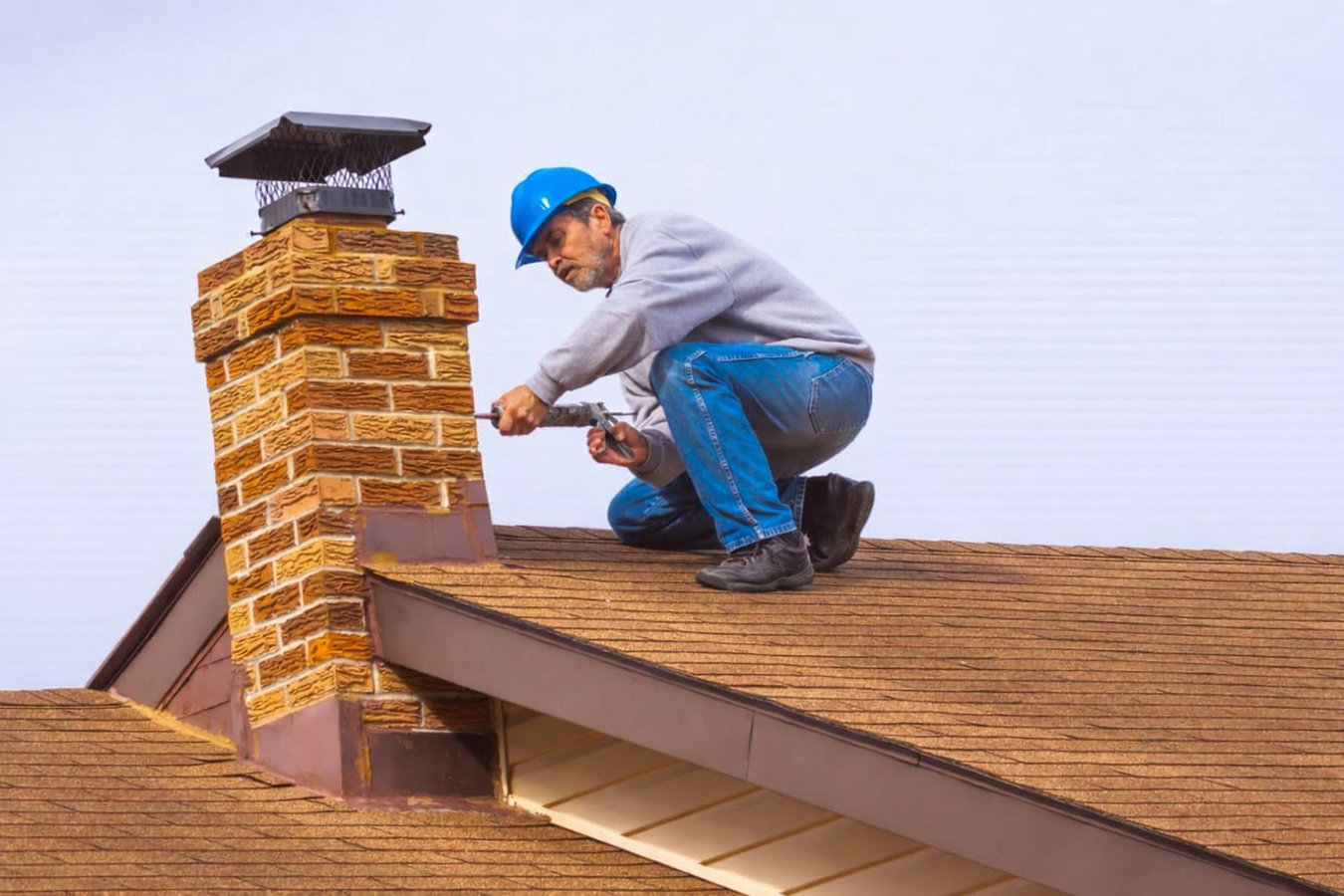
Crumbling mortar, a missing cap, or white stains on your chimney are all signs water is already getting in. Cheney Concrete and Masonry fixes the damage and seals the entry point before another freeze-thaw cycle makes it worse.
Chimney repair in Cheney, WA covers the full range of damage that lets water or heat escape where they should not - most jobs involve repointing mortar joints, repairing or replacing the chimney crown, fixing or replacing a damaged flue liner, or installing a new chimney cap, and most straightforward repairs are completed in one day.
Cheney sits at roughly 2,400 feet in the Inland Northwest, where repeated freeze-thaw cycles work into brick and mortar faster than in milder climates. Homes near the EWU campus and in Cheney's older neighborhoods were often built without the interior clay liner systems standard today, or with liners that have now reached the end of their useful life. If your home was built before 1980, the interior of your chimney may need attention even if the outside looks intact. Water does not need a large opening to cause serious damage - it needs only a hairline crack and one wet fall to begin working its way into your walls and framing. If loose or crumbling mortar is the primary concern, our tuckpointing service handles mortar joint repair across all exterior masonry, while our fireplace installation team handles new firebox construction when the existing unit is beyond repair.
The Chimney Safety Institute of America recommends annual chimney inspections, and for good reason - small problems caught in August cost a fraction of what they cost after a Cheney winter has finished the job.
Chalky white streaks or patches on your chimney face are mineral deposits left behind as moisture moves through the masonry and evaporates. In Cheney's climate, this staining often appears after the first hard rains of fall - a sign water is getting in somewhere it should not be.
Stand back and look at your chimney from the yard. If the mortar lines between bricks look recessed, crumbly, or have gaps, the joints need to be refilled. Cheney's freeze-thaw winters accelerate this process, and once mortar starts to fail, water gets in faster and damage spreads.
A damp, musty odor when you open the damper - especially after rain - means water is entering the chimney. Rust stains on the damper or water marks on the firebox walls confirm it. Get an inspection before lighting the next fire.
Small pieces of orange or tan clay in your fireplace are pieces of the interior liner that have broken off and fallen down. This is serious - a damaged liner means combustion gases and heat can reach parts of your home's structure they were never meant to touch. Do not use the fireplace again until a technician has assessed the damage.
Cheney Concrete and Masonry handles the full scope of chimney repair for residential properties. Mortar repointing - sometimes called tuckpointing - removes deteriorated mortar from the joints between bricks and replaces it with fresh refractory mortar matched to the existing masonry. This is the most common repair we do in Cheney, where freeze-thaw cycles wear mortar joints faster than in milder climates. Crown repair and replacement addresses the concrete slab on top of the chimney that sheds water away from the flue opening - a cracked or missing crown is one of the most common ways moisture enters a chimney system. Flue liner repair and relining is necessary when the interior clay tile liner has cracked or deteriorated, particularly in homes built before the 1980s. We also install and replace chimney caps, repair and replace damper assemblies, and address brick spalling (where the face of a brick flakes off) caused by repeated moisture expansion.
For older Cheney homes where chimney mortar damage extends to other exterior masonry, our tuckpointing team can address the full exterior in one visit. If you are also considering adding a new fireplace or upgrading your current system, our fireplace installation service handles new construction and full replacements.
Right for chimneys showing recessed, crumbling, or missing mortar joints.
Best when the concrete cap on top of the chimney is cracked or deteriorating.
Necessary when the interior liner is cracked, missing sections, or past its service life.
Ideal when the cap is missing, rusted through, or sitting at an angle.
For homeowners with a stuck, rusted, or broken damper that affects draft or sealing.
Used when brick faces are flaking due to repeated moisture absorption and freeze-thaw expansion.
Cheney gets most of its precipitation in fall and winter, after a long dry summer. That seasonal shift from dry to wet means chimneys that developed small cracks over the summer get their first serious water exposure in October and November. Homeowners who schedule an inspection in late summer catch problems before the wet season drives moisture deeper into the structure. The freeze-thaw cycles that follow - sometimes multiple times in a single week - expand any moisture that has gotten in, pushing cracks wider with each cycle. A small mortar gap in September can be a structural problem by February. Many homes near the EWU campus were built with chimney systems that are now 50 to 60 years old, and original clay tile liners from that era have a lifespan of roughly 50 years under normal use. If your home has an original chimney, the liner may need attention regardless of what the outside looks like.
We serve homeowners across the area, including in Spokane and Medical Lake. Wood-burning is common in Cheney, particularly in older homes and properties on the city's edges, which means chimneys here accumulate creosote and liner wear faster than in homes using gas. The Chimney Safety Institute of America and the National Fire Protection Association both recommend annual chimney inspections for active wood-burning users - a standard we think is worth following in this climate.
We respond within 1 business day. Tell us what you are seeing - white staining, crumbling mortar, a smell from the fireplace - in plain terms. We will ask a few basic questions about your home's age and when you last had the chimney inspected.
A technician examines the outside of the chimney from ground level and the roof if needed, checks the firebox interior, and inspects the flue. The visit takes 45 to 60 minutes and results in a written estimate listing exactly what needs repair and what it will cost.
If structural work is required - liner replacement, chimney rebuilding - we apply for the City of Cheney building permit before work begins. Cosmetic repairs do not require a permit. We give you a confirmed start date and a realistic timeline before any work begins.
The crew completes the work, cleans up each day, and walks you through what was done. Most mortar repairs need 24 to 48 hours to cure before you use the fireplace. If a permit was pulled, a city inspector verifies the completed work and you receive documentation.
We respond within 1 business day. Late summer and fall are our busiest season in Cheney - the earlier you schedule, the better your chance of getting repairs done before the cold arrives. No obligation after the estimate.
(509) 241-9778We hold a current Washington State contractor license and pull all required City of Cheney building permits for structural chimney work. The permit triggers an independent city inspection - you get documentation confirming the job was done correctly, which matters when you sell.
Mortar selection and repair methods that work in Seattle's mild, damp climate do not necessarily hold up to Cheney's hard freezes and wide temperature swings. We use refractory mortar formulas and repair sequences matched to Inland Northwest conditions, not borrowed from a milder market.
We walk you through what we found, in plain language, and show you photos if we have them. You get a written estimate before any work is scheduled - no pressure to sign on the spot, no surprises when the invoice arrives.
Late summer and early fall is the best time to repair chimneys in Cheney - and also the busiest season for scheduling. We keep capacity for homeowners who call ahead, so you are not left scrambling for an appointment the week before Thanksgiving.
Cheney's climate is specifically hard on chimneys - the freeze-thaw cycles, the older housing stock, and the reliance on wood burning all combine to make this a service that comes up regularly here. Every job we do is permitted where required, inspected independently, and documented for your records.
When mortar joint damage extends beyond the chimney to other exterior masonry on your home, tuckpointing addresses the full scope in one visit.
Learn MoreIf your existing fireplace and firebox are beyond repair, our installation team builds a new unit to current safety and efficiency standards.
Learn MoreCall Cheney Concrete and Masonry today - late summer appointments go fast, and getting repairs done before fall keeps your fireplace ready when the cold arrives.