Loading...
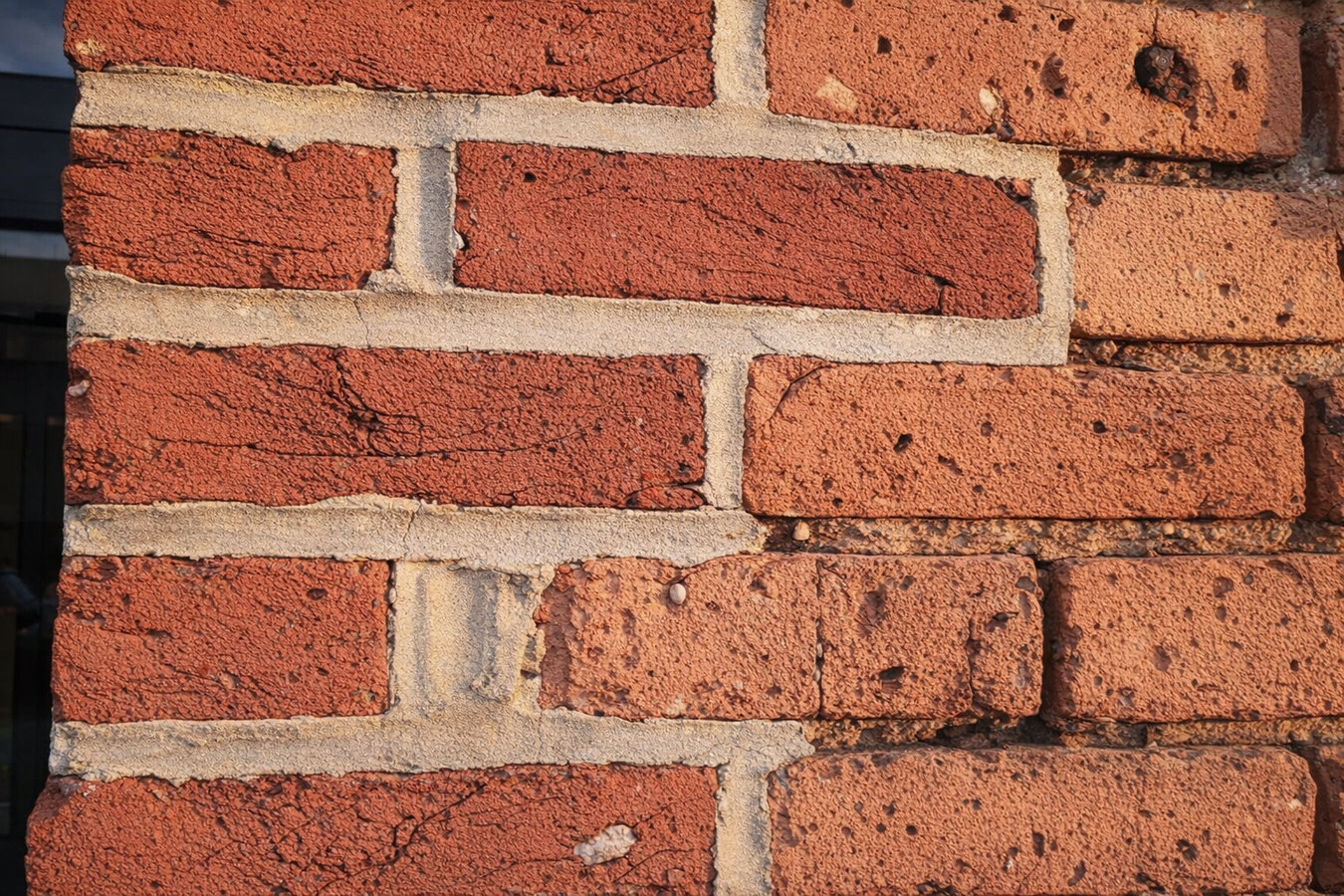
Crumbling mortar and spalling brick only get worse through winter. We restore your masonry before the next freeze turns a small repair into a costly rebuild.
Masonry restoration in Cheney covers repairing and stabilizing brick, stone, or concrete block structures that have been damaged by age, moisture, or weather - most jobs take one to five days depending on the scope.
If your Cheney home is showing crumbling mortar, white staining, or cracks in the chimney, those are early signs that water has found a way in. Left through another winter, that water freezes, expands, and turns a manageable repair into a major project. Masonry restoration stops that cycle - cleaning out damaged material, packing in properly matched mortar, and replacing bricks that have begun to fail.
The work covers everything from a single chimney repair to repointing an entire wall. If the damage extends to mortar joint integrity, our fireplace installation team can also assess the firebox and crown as part of the same visit.
Run a finger along the joints between your bricks or stones. If the mortar crumbles or has gaps you can press into, it has reached the end of its life. In Cheney's climate this deterioration accelerates quickly - what looks like surface wear can mean water has been getting in for a season or two.
That chalky white residue is called efflorescence, and it signals water has been moving through your masonry and carrying dissolved salts to the surface. In Cheney it often shows up most clearly in spring after snowmelt. It is not just cosmetic - it means moisture is actively working through your masonry.
When the face of a brick starts peeling away in thin layers, water got inside and froze. Cheney's winters give that process plenty of opportunity. Once a brick starts spalling it will not stop on its own, and a damaged brick lets in far more water than an intact one.
Hairline cracks in mortar joints are normal over time, but cracks running through the bricks themselves - or that have grown noticeably wider since last year - signal something structural. Chimneys in Cheney are especially vulnerable because they cycle through heat and cold on top of freeze-thaw stress from winter weather.
Most masonry restoration starts with removing damaged mortar, cleaning the joints, and packing in new mortar that is matched to your existing masonry - a process known as tuckpointing or repointing. When bricks have spalled or broken, we source matching replacement units and set them so the repair blends with the surrounding wall. Chimneys get special attention because they take the most abuse: we address the crown, flashing, and firebox opening as needed alongside any repointing. If the damage you are seeing raises questions about the firebox itself, our fireplace installation team handles that piece as well.
We also work with stone masonry - patching and repointing fieldstone, cut stone, and manufactured stone veneer that has begun to separate or absorb moisture. After restoration we can apply a breathable water repellent to slow future penetration without trapping vapor inside the wall. Every job ends with a walkthrough so you know exactly what was done and what to watch for going forward.
Best for homeowners with visible mortar loss, staining, or cracking on a chimney that sees regular use through Cheney winters.
Suits homes with aging mortar joints on exterior walls, retaining walls, or garden walls where freeze-thaw cycles have opened up gaps.
Ideal when individual bricks have flaked, chipped, or crumbled and need to be swapped out before water damage spreads to surrounding units.
Right for fieldstone foundations, stone chimneys, and decorative stonework where the mortar or stone itself has begun to fail.
Cheney sits at roughly 2,400 feet on the eastern edge of the Channeled Scablands, and temperatures regularly dip below freezing from November through March. Every time water seeps into a crack and freezes overnight, it expands and pushes the masonry apart a little more. A significant share of Cheney's residential neighborhoods were built between the 1920s and 1960s, when brick and stone were common building materials - and masonry from that era was often laid with softer lime-based mortars that are now well past their expected lifespan. If your home is more than 50 years old, there is a good chance the mortar has been quietly deteriorating for years, even if it does not look alarming from the street.
Cheney's dry summers can also mask moisture damage. Cracks that weep during spring snowmelt may look dry and stable by July, leading some homeowners to delay repairs - only to find the damage has worsened after the next wet season. We serve homeowners across the area, including Spokane and Medical Lake where the same freeze-thaw conditions apply. The best time to schedule an inspection is late spring or early fall, when evidence of water intrusion is still visible.
Tell us what you are seeing in plain language - you do not need to know the right terminology. We reply within one business day and ask a few basic questions to come prepared for your estimate visit.
We walk the affected area and check mortar condition, cracks, soft spots, and signs of freeze-thaw damage. You receive a written estimate shortly after - typically the same or next business day.
Spring and early fall are busy seasons in Cheney, so lead times can run two to four weeks. The crew arrives, sets up protective coverings, removes damaged mortar, and packs in new mortar matched to your existing masonry.
Before we leave, we walk you through what was done. Fresh mortar needs 24 to 48 hours before it gets wet. If work is done in late fall, we advise you on protecting the mortar before the first hard freeze.
Free estimate, no obligation. We reply within one business day.
(509) 241-9778Homes built before 1960 in Cheney were typically laid with softer lime-based mortars. Using a harder modern mix on those bricks traps moisture and causes the face to crack off. We assess your existing mortar before mixing anything, so the repair is compatible with the original material.
You get a clear breakdown of what we found, what needs to be done, and what it costs - before any work begins. No surprises on the invoice, and no pressure to add work you did not ask about.
Any contractor doing work over $500 in Washington must be registered with the state Department of Labor and Industries. We are fully registered, which means we carry the liability insurance and bond that protect you if something unexpected happens. You can verify any contractor's status at the{" "} L&I contractor lookup.
We work in Cheney year-round, not just in the summer. That means we understand how Cheney's winters affect mortar, brick, and stone differently than contractors who only see this climate from a distance. Catch problems now and they stay small - wait and Cheney winters will make them bigger.
Every masonry restoration job we do in Cheney is grounded in the same principle: fix the root cause, not just the surface. That approach - matching materials, addressing water intrusion, and walking you through the work - is how we keep repairs lasting 20 to 30 years rather than needing to be redone after the next winter.
For permit requirements, see the City of Cheney Community Development Department. For mortar standards on historic masonry, see National Park Service Preservation Briefs.
Build a new wood-burning or gas masonry fireplace with a properly lined chimney ready for Cheney winters.
Learn MoreFieldstone, cut stone, and decorative stonework installed or repaired to hold through freeze-thaw cycles.
Learn MoreSpots fill up in late summer and early fall - the sooner you book, the better your options for getting work done before Cheney's freeze-thaw season begins.