Loading...
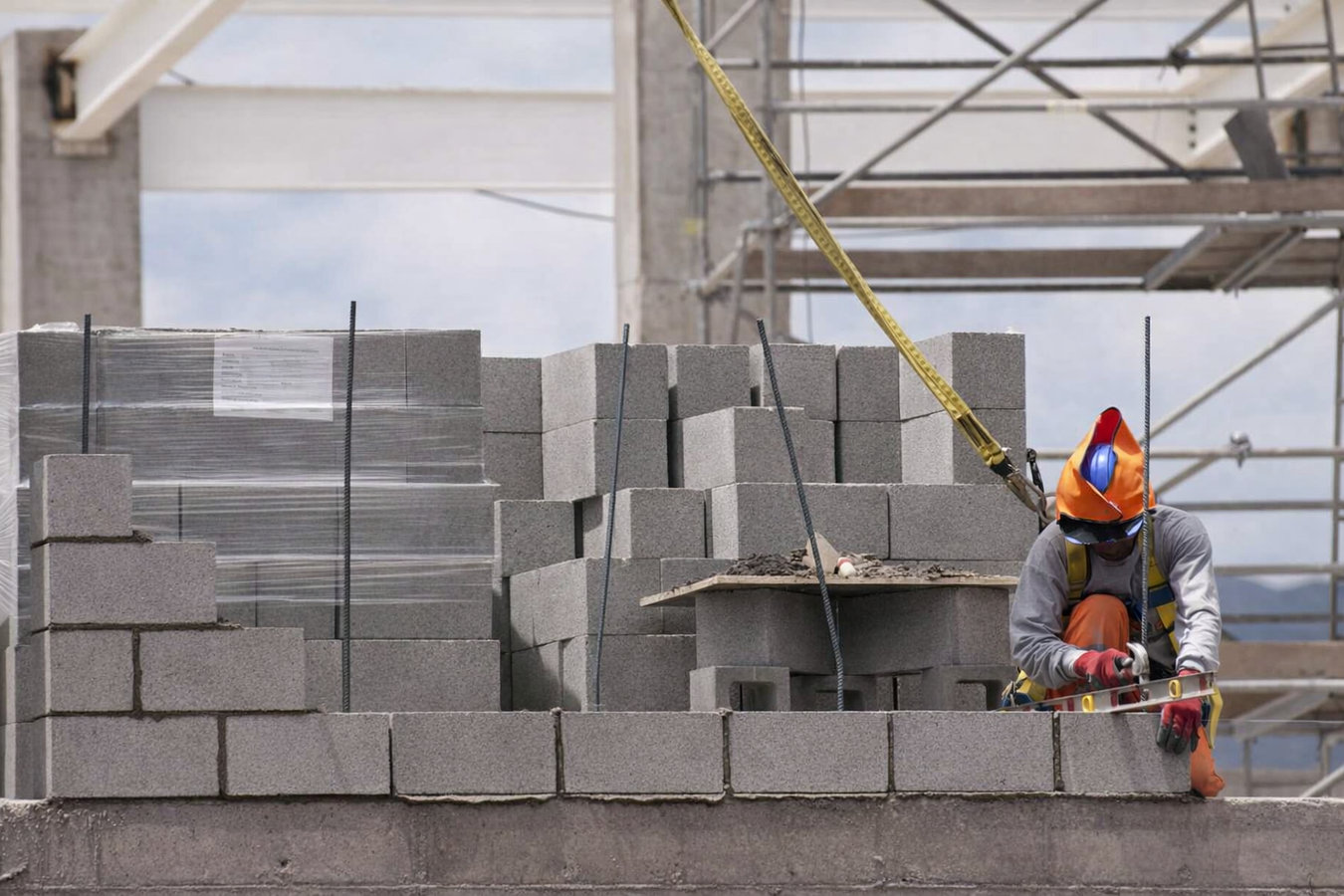
Cracked, leaning, or waterlogged foundation walls cost you more the longer you wait. We build and repair concrete block foundations that handle Cheney winters.
Foundation block wall installation in Cheney means stacking reinforced concrete blocks to create a structural base for your home, addition, or outbuilding - most residential projects run between three days and two weeks depending on scope and permit timing.
A lot of Cheney homes built before 1980 have original block foundations that are now reaching the age where cracks, moisture intrusion, and mortar failure become common. Whether you are dealing with an aging wall that needs attention or planning a new addition that needs a foundation built from scratch, the process is the same: dig below the frost line, pour a proper footing, lay reinforced block, and waterproof the exterior before backfilling. If you are also noticing surface-level brick or mortar issues above grade, our foundation repair service may be part of the same conversation.
Cheney's freeze-thaw cycles and spring snowmelt put extra stress on foundations that were never designed with modern drainage in mind. Getting an honest assessment early - before a small crack becomes a structural problem - is the most cost-effective thing you can do for your home.
Cracks that run at an angle - especially ones wider at one end - signal the wall may be shifting or settling unevenly. In Cheney's loess soil, this kind of uneven settling is not uncommon in older homes. A crack you can fit a quarter into is wide enough to warrant a professional opinion.
When Cheney's snowpack melts quickly in early spring, the ground can become saturated fast. If you notice dampness, standing water, or a musty smell in your crawl space in March or April, your foundation wall may not be keeping water out the way it should. This is especially common in homes where the original block wall was never waterproofed on the exterior.
Stand back and look at your foundation wall from a distance - it should look perfectly straight up and down. If any section appears to curve inward or looks like it is tilting, that is a sign the wall is under pressure it was not designed to handle. This can happen gradually over years and is easy to miss until it becomes significant.
Run your hand along the joints between the blocks on your foundation wall. If the mortar feels soft, crumbles easily, or is visibly missing in spots, the wall has lost some of its structural integrity. In Cheney's climate, freeze-thaw cycles accelerate this kind of mortar deterioration, and what starts as a surface problem can become a water entry point if left alone.
We handle the full range of residential block wall foundation work in Cheney and the surrounding area. That includes building new foundations for additions and detached structures, replacing failing walls on older homes, and repairing sections that have cracked or begun to bow. Every project starts with a site visit and a written estimate - no phone quotes for foundation work, because the details vary too much from property to property. If your project also needs structural block construction above grade, our outdoor kitchen masonry work follows the same foundation standards.
On every foundation project, we include exterior waterproofing and a drainage layer before backfill - this step is often skipped by contractors looking to move fast, and it is the single biggest factor in whether a Cheney foundation stays dry through spring snowmelt. We also pull the required permits through the City of Cheney and schedule all required inspections, so the finished work is on record.
Suits homeowners adding onto an existing home or replacing an older foundation that was never properly waterproofed.
Suits anyone building a garage, sunroom, or attached addition that needs a full structural base built to current frost-depth standards.
Suits homes with existing block walls showing cracks, bowing, or mortar deterioration that can be corrected before they become structural failures.
Suits detached structures - sheds, workshops, and outbuildings - that need a permanent block wall foundation built from the ground up.
Cheney sits at roughly 2,400 feet elevation and sees repeated freeze-thaw cycles from November through March - the ground freezes, thaws, and freezes again, and that movement puts constant pressure on anything buried in or near the soil. The loess soil common throughout the Palouse region drains reasonably well when dry but becomes unstable when saturated, which is exactly what happens every spring when Cheney's snowpack melts quickly. A block wall foundation that was not built with these conditions in mind - one without exterior waterproofing, without proper drainage, without a footing below the frost line - is working against the climate from day one. Homeowners in Medical Lake and Airway Heights deal with the same conditions, and we build every foundation in the area to the same frost-depth standard.
Cheney also has a significant number of homes built between the 1940s and 1970s - many with original block foundations that are now 50 to 70 years old and were built without the drainage and waterproofing details that are standard today. These are not necessarily failing, but they are at the age where a professional assessment makes sense. The National Concrete Masonry Association sets the industry standards for block wall construction that we follow on every job.
We will ask a few basic questions - what you are trying to accomplish, whether it is a repair or new construction, and roughly how old your home is. We reply within one business day and schedule a site visit before giving you any numbers.
During the site visit, we check your existing foundation, soil conditions, and what needs to be done. We tell you upfront whether a permit is required and handle the application through the City of Cheney Community Development office.
Before any block goes up, we excavate to the required depth - in Cheney, that means digging below the frost line. The footing is poured and allowed to cure before block work begins. Underground utilities are marked through Washington 811 before any digging starts.
We lay blocks row by row with mortar and steel reinforcement, and schedule the required city inspection before cores are filled. After the wall passes inspection, we apply waterproofing and drainage on the exterior, backfill, and grade the site so water drains away from your home.
We come to your property, assess what is actually there, and give you a written estimate. No phone quotes, no pressure.
(509) 241-9778Every foundation we build has its base set below the frost depth for eastern Washington - typically 24 inches. That detail is what keeps a wall from shifting when the ground freezes and thaws each winter, and it is what separates a foundation that lasts decades from one that starts cracking after the first hard winter.
We apply for every required permit through the City of Cheney before a single block goes in. City inspections are scheduled at required stages. That paper trail proves the work was done to code, which matters when you sell your home or need to make an insurance claim.
Washington State L&I - Verify a ContractorConcrete blocks are porous - without a waterproof membrane and drainage layer on the outside face, water eventually works through. We include this step on every foundation we build. In Cheney, where spring snowmelt can saturate the ground in days, skipping waterproofing is one of the most common causes of wet crawl spaces.
We do not quote foundation work over the phone. We come to your property, look at what is actually there, and give you a written estimate you can compare. If your existing foundation is repairable rather than needing full replacement, we will tell you that.
We have been doing this work in Cheney and the greater Spokane area long enough to know the soil conditions, the frost depths, and the permit process here. That local knowledge is what makes the difference between a foundation that holds up and one that needs attention again in five years.
Add a permanent masonry outdoor kitchen to your backyard, built on the same kind of solid concrete foundation we use for structural walls.
Learn MoreIf your existing block foundation has cracks, moisture issues, or mortar deterioration, foundation repair may address the problem without full replacement.
Learn MoreSpring and summer slots fill fast - reach out now to lock in your project date before the busy season starts.