
Loading...
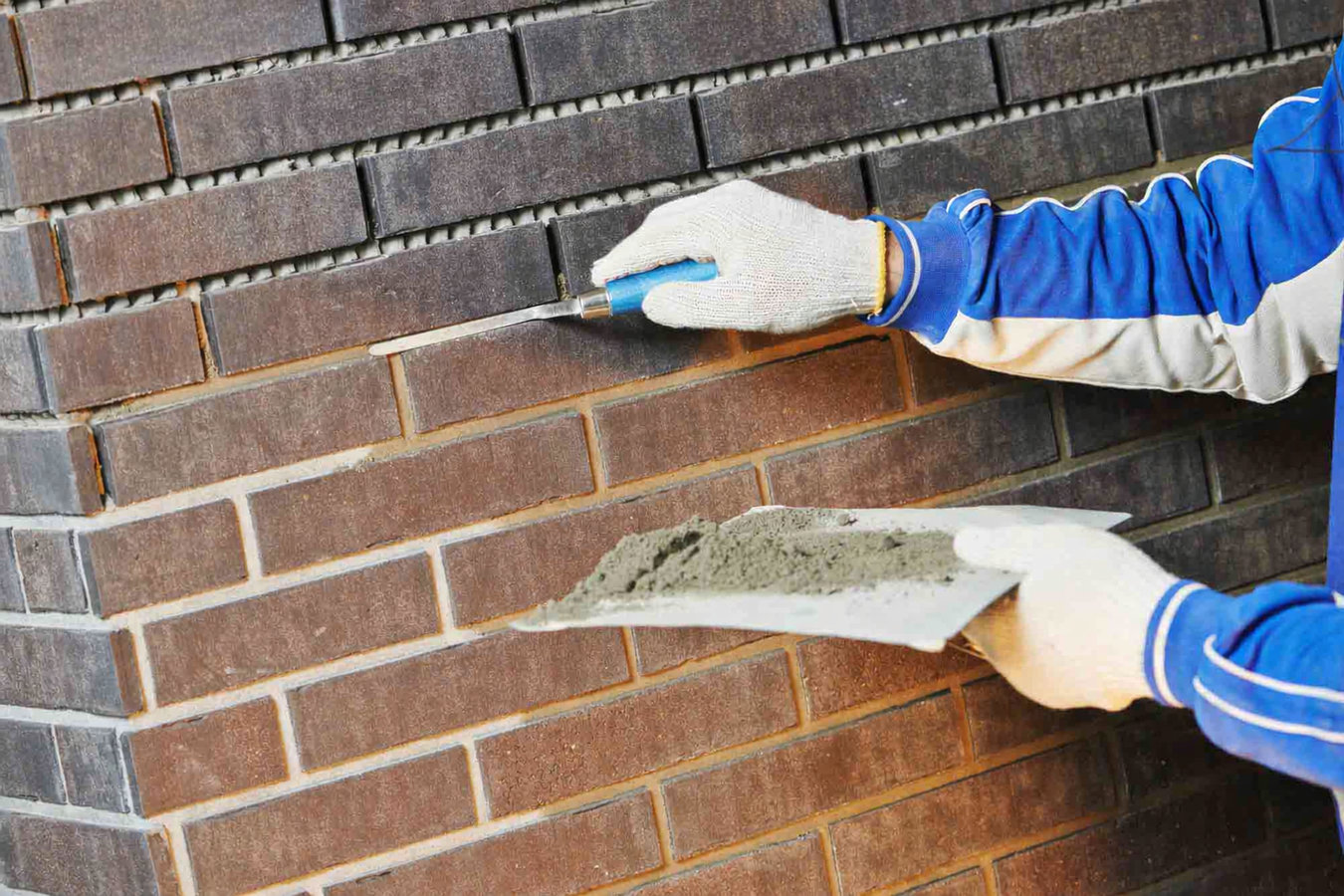
A brick wall built without the right footing depth will crack and lean within a few Cheney winters. We dig below the frost line, plan drainage from the start, and lay every course to a standard that holds up for generations.
Brick wall installation in Cheney means digging a concrete footing below the frost line, letting it cure, then laying brick course by course with mortar until the wall reaches its finished height - most residential garden and boundary walls take one to five days of active work, with a total timeline of one to two weeks once permit time is included.
What most homeowners do not see is what happens before a single brick is laid. In Cheney, the Palouse loess soil beneath your yard compresses unevenly under heavy loads and shifts when moisture levels change. If the concrete footing does not go deep enough - below the 18 to 24 inch frost line for Spokane County - the wall will slowly heave and crack as the ground freezes and thaws each winter. We account for this on every project, and we explain it during the estimate visit so you understand why that first step matters. If you are also considering brick repair on an existing structure, the same footing and drainage principles apply to what went wrong the first time.
Brick is one of the most durable materials available for outdoor walls in this climate. It does not rot, does not need painting, and does not blow over in eastern Washington's spring windstorms. A well-built brick wall in Cheney can last 50 to 100 years with nothing more than occasional mortar repointing.
If cracks in an existing brick wall seem to grow a little wider after each winter, the freeze-thaw cycle is working against the structure. Water gets into small cracks, freezes, expands, and makes them bigger - season after season. A crack you can fit a coin into is worth having a mason look at before it becomes a crack you can fit your hand into.
Run your finger along the joints between bricks on an older wall. If the mortar feels soft, sandy, or comes away easily, the wall has lost its ability to keep water out. This is especially common in Cheney homes built before the 1970s, where original mortar has simply reached the end of its life. Left alone, water gets in, freezes in winter, and accelerates the damage.
If soil washes down a slope in your yard after rain - even in Cheney's relatively dry climate - a brick retaining wall can hold that soil in place permanently. Erosion that has been going on for years tends to get worse, not better, on its own.
Some Cheney homeowners choose a brick wall over a wood fence along a property line because brick does not rot, does not need painting, and does not blow down in the wind. If you have replaced a fence more than once in the same spot, a brick wall is worth pricing as a long-term alternative.
We build brick walls throughout Cheney and across the Spokane metro area. Every project starts with a site visit and a written estimate that separates labor and materials so you can see exactly what you are paying for. We handle everything from footing excavation through brick laying, joint finishing, and cleanup. For walls that retain soil on a slope, we design drainage into the project from the beginning - gravel backfill and weep holes that prevent water pressure from building up behind the wall over time. Homeowners who want to extend the look of a new wall across their yard sometimes pair it with stone masonry elements for a mixed-material finish that is distinctive without being difficult to maintain.
Brick color and texture vary slightly from batch to batch, and they look different in different lighting conditions. We recommend ordering 10 percent more brick than the minimum so you have matching material on hand if any repairs are needed down the road - once a batch is discontinued, finding an exact match years later can be very difficult. We walk through this and every other detail during the estimate visit.
Suits homeowners who want a permanent, attractive border for a raised garden bed or planting area that will not collapse or need rebuilding every few years.
Suits those who want a permanent, low-maintenance alternative to a wood fence that defines the property without rotting, warping, or blowing over.
Suits homeowners dealing with a sloped yard or eroding hillside - brick retaining walls hold soil in place and include drainage planning to prevent water pressure from building up behind the wall.
Suits those who want a low brick wall as a design feature - around a patio, along a front walkway, or as a landscape focal point that ties the yard together.
Cheney's climate creates two challenges for masonry that a contractor without local experience may not plan for. The first is the freeze-thaw cycle - Cheney sits at roughly 2,400 feet elevation and sees repeated freezing and thawing from November through March. Mortar that freezes before it fully cures can crack and fail, and a footing that does not go deep enough will slowly be pushed out of position by frost heave. The second challenge is the Palouse loess soil, which is sensitive to moisture changes and can compress unevenly under the weight of a masonry wall if the footing is not designed for local conditions. The Brick Industry Association publishes technical guidance on cold-weather masonry construction - the key points are mortar temperature management and protecting fresh work from overnight freezes.
We work throughout Cheney and the surrounding communities, including Airway Heights and Spokane Valley. Cheney's mix of older mid-century homes and newer subdivisions means we work on a range of lot sizes and access conditions. Neighborhoods near Eastern Washington University often have smaller yards where equipment access is tighter - we check for this during the estimate visit so it does not catch anyone off guard on installation day. Whether you are adding a first brick wall to your property or replacing one that failed, we bring the same approach to every site.
We will ask where the wall is going, roughly how long and tall you are thinking, and what it needs to do. You do not need exact measurements yet. We reply within one business day.
We visit your property, look at the ground conditions, measure the area, and check soil and drainage. We confirm upfront whether a permit is required for your project and what that means for your start date.
If a permit is needed, we handle the application with the City of Cheney. Once permits are approved, we dig the footing to below Cheney's frost line, pour the concrete base, let it cure, then lay the brick and finish the joints.
After the last brick is laid, mortar needs 24 to 72 hours to cure before anything can lean against the wall. We clean the site, remove all debris, and walk through the finished wall with you before the crew leaves.
Free site visit, no obligation. We reply within one business day.
(509) 241-9778Every brick wall we build starts with a concrete footing that sits 18 to 24 inches deep - below the frost line for Spokane County. That is what keeps the wall from shifting or cracking when the ground freezes each winter. A footing that is too shallow is the most common reason brick walls lean and crack in cold climates.
For retaining walls, we design gravel backfill and drainage into the project from the start - not as an afterthought. Water that builds up behind a wall creates pressure that pushes bricks outward over time. Getting this right during construction is far less expensive than repairing a wall that was not drained properly.
Brick Industry AssociationWe pull every required permit through the City of Cheney's building department before work begins. You do not need to make a single call to the building department yourself. A permitted wall is inspected, on record, and protects your home's value when you sell.
We are registered with the Washington State Department of Labor and Industries and carry the required liability insurance and bond. You can verify our registration status through the state's public contractor lookup in about 30 seconds - we encourage homeowners to check before they sign anything with any contractor.
Every brick wall we build in Cheney gets a footing below the frost line, mortar appropriate for cold-weather conditions, and drainage planning on any wall that retains soil. These are the details that separate a wall that lasts from one that needs major repairs within a decade - and they are the same details we put in writing before any work begins.
Natural stone walls and masonry work for homeowners who want a different aesthetic than brick but the same long-term durability.
Learn MoreSpot repairs for existing brick walls with cracked mortar, damaged units, or sections that have shifted out of alignment.
Learn MoreOur calendar fills up fast in spring - lock in your spot before the busy season starts and your preferred dates are gone.