Loading...
Cheney Concrete and Masonry is Cheney's local masonry contractor for foundation repair, tuckpointing, and brick work. We have served Cheney homeowners since 2020 and respond within one business day.
Cheney's Palouse-region loess soils shift with every wet spring, and older homes near Eastern Washington University often have shallower footings that were not built to handle this movement. When you notice diagonal wall cracks or sticking doors after a winter, our foundation repair team stabilizes the structure before the next freeze cycle makes the problem worse.
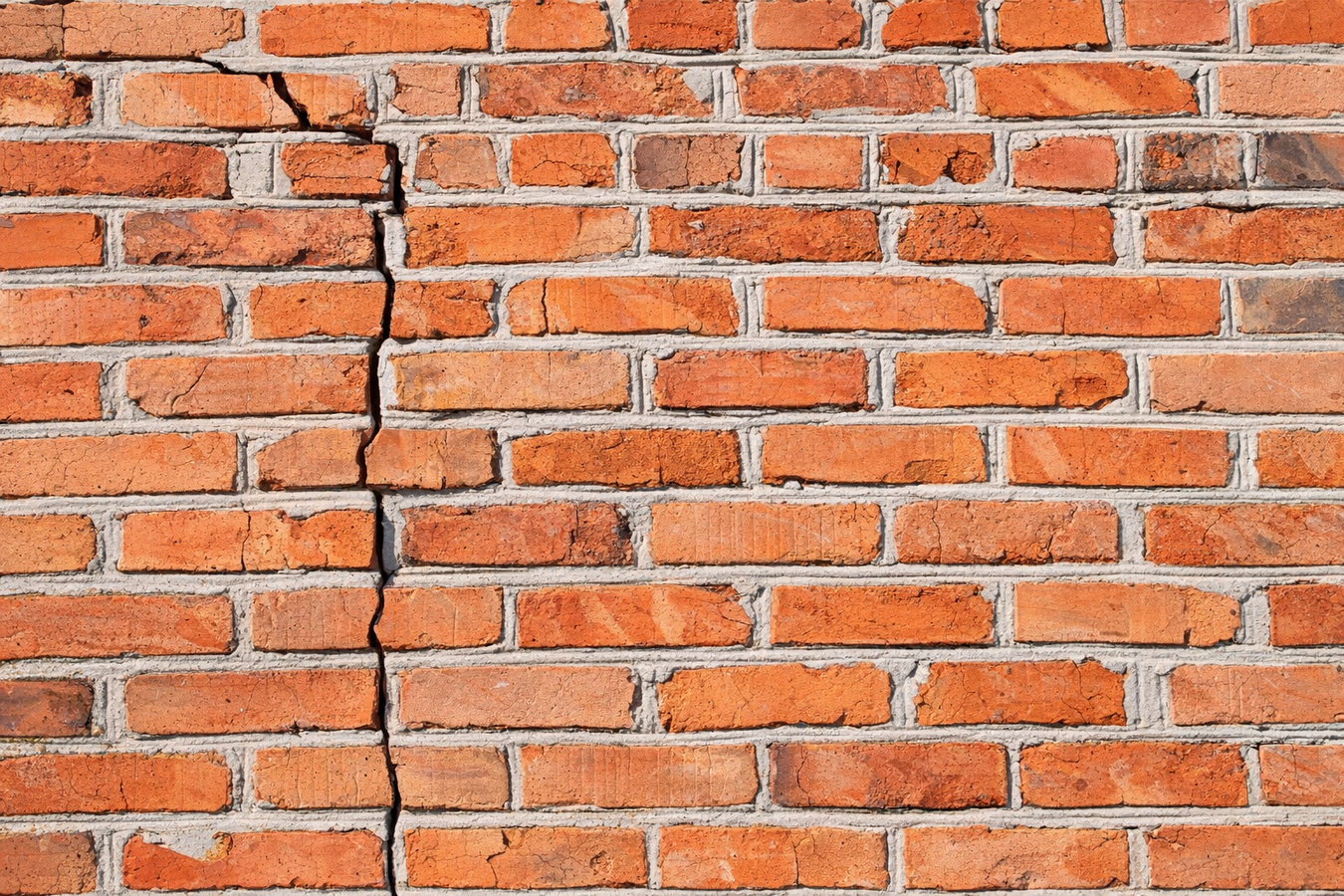
Cheney's hard winters erode the mortar joints in chimneys, brick walls, and retaining walls faster than many homeowners expect. Deteriorated joints let water in, which freezes and cracks the surrounding brick. Repointing the mortar before damage spreads is the most cost-effective way to extend the life of any brick structure in this climate.
Many Cheney properties have sloped lots where soil creep and spring snowmelt cause erosion year after year. A properly built retaining wall stops that movement, protects your yard and driveway from shifting, and can turn an unusable slope into usable outdoor space.
Cheney's cold winters mean chimneys work hard from October through April. Freeze-thaw cycles crack mortar, spall bricks, and damage chimney crowns - problems that get worse with every season they are left unaddressed. A repaired chimney keeps your fireplace working safely and keeps water out of your home.
Older homes in Cheney - especially those built in the 1950s and 1960s to house EWU students and faculty - often have brick veneers or chimneys that are now 60 to 70 years old. Cracked or spalling bricks let moisture behind the wall, which is far more expensive to fix than the brickwork itself.
Cheney's freeze-thaw winters are hard on poured concrete driveways, which crack and heave over time. Paver driveways flex with seasonal ground movement better than monolithic concrete and can be repaired section by section rather than replaced all at once, which makes them a practical long-term choice in this climate.
Cheney sits at roughly 2,400 feet elevation on the edge of the Palouse, and winters here are colder and snowier than in Spokane proper. Temperatures swing above and below freezing dozens of times between November and March. Every one of those freeze-thaw cycles pushes water into small cracks in concrete, brick, and mortar, freezes it, and makes the crack a little larger. Over several winters, a hairline crack becomes a real structural problem. That pattern is the single biggest driver of masonry repair calls in Cheney, and it is the first thing we look for when we assess any property here.
The soils around Cheney are another factor that most contractors from outside the area do not account for. The Palouse region sits on deep deposits of wind-blown silt called loess, which drains poorly when saturated and compresses under a home's weight after wet springs. Homes built in the 1950s and 1960s - a large share of Cheney's housing stock - often have shallow footings that were not designed with this soil behavior in mind. When the ground moves, the masonry above it moves with it. Understanding that connection between soil, climate, and building age is what separates a local masonry contractor from a generalist who happens to be available.
Our crew works throughout Cheney regularly. We pull permits through the City of Cheney's building department for structural jobs, and we know the permit office's typical turnaround times - which helps us give homeowners realistic scheduling windows rather than vague estimates. We have worked on properties across the full range of Cheney's housing stock, from older mid-century homes near the Eastern Washington University campus to newer subdivisions on the west side of town.
Cheney runs along Interstate 90, about 16 miles west of Spokane, and our crew travels that stretch regularly. We are familiar with all parts of the city - from the older neighborhoods near downtown and the EWU campus to the quieter residential streets closer to the Turnbull National Wildlife Refuge on the south end of town. When we say we serve Cheney, we mean all of it.
We also serve the surrounding area. If you have family or neighbors in Medical Lake just north of Cheney, or in Spokane itself, we work in those communities too.
Reach out by phone or through the contact form and describe what you are seeing - cracks, leaning walls, sticking doors, or anything else that prompted your call. We respond to every Cheney inquiry within one business day and do not require you to know any technical terms.
We visit the property, walk the site, and give you a written estimate before any work begins - no verbal ballparks. If the job requires a City of Cheney building permit, we tell you upfront and handle the application for you. There is no obligation to proceed after the estimate.
Once you approve the estimate, we schedule the work and give you a start window - typically a one to two day range rather than a vague "sometime next week." Most Cheney residential masonry jobs run one to three days from first shovel to cleanup.
When the work is done, the crew cleans the site and walks you through what was completed. For permitted jobs, we coordinate the city inspection - you do not need to manage that yourself. We also give you any maintenance notes that will help protect the work through Cheney's next freeze season.
We serve Cheney homeowners year-round and respond within one business day. Get a free written estimate with no obligation.
(509) 241-9778Cheney is a city of about 12,000 people in Spokane County, sitting on the edge of the Palouse about 16 miles west of Spokane along I-90. The city is home to Eastern Washington University, which has been here since 1882 and shapes much of daily life in town - from housing demand to traffic patterns to the local economy. A large share of Cheney's housing stock consists of single-family homes built between the 1940s and 1970s, many of which were built to house EWU students and faculty. These homes are now 50 to 80 years old and reflect the era's construction standards, which did not always include deep footings, exterior waterproofing, or drainage systems sized for Palouse-region soils.
Newer subdivisions on the edges of town - built mostly from the 1990s onward - have larger lots, two-car garages, and more modern construction. These properties face different masonry challenges than the older in-town homes, though driveway cracking from freeze-thaw cycles is common across all of Cheney's neighborhoods. If you own a home near the EWU campus or in one of Cheney's newer neighborhoods further out, the masonry needs are different but the local climate affects both equally. We also serve homeowners in neighboring Medical Lake and across the broader Spokane area.
Replace cracked or damaged bricks to restore appearance and structural integrity.
Learn MoreBuild strong retaining walls that manage erosion and grade changes.
Learn MoreEnhance any surface with beautiful, lasting natural or manufactured stone.
Learn MoreConstruct solid concrete block walls for privacy, security, or structure.
Learn MoreBuild a reliable block wall foundation engineered for lasting performance.
Learn MoreDesign and build walkways that are safe, durable, and visually appealing.
Learn MoreRefresh worn mortar to protect your brickwork from water and weather damage.
Learn MoreFreeze-thaw damage compounds every winter - the sooner small cracks and failing mortar are addressed, the less expensive the fix. Call today or submit a request online.