Loading...
Stone masonry that shifts, cracks, or settles after a few Cheney winters is almost always a base problem. We prepare the ground correctly, plan drainage from the start, and build work that holds up for decades - not just looks good on day one.
Stone masonry in Cheney covers everything from building a new retaining wall or patio to repairing original stonework on a mid-century home - most residential projects take one day to two weeks depending on size, with the base preparation and drainage work happening before any stone is set.
What separates stone masonry that lasts from stone masonry that fails within a few winters is almost always what happens underground. Cheney sits on Palouse loess - a fine, silty soil that shifts when wet and compacts unevenly under load. If the base gravel is not deep enough, not compacted properly, or if drainage is not built into the design, the finished surface will settle and crack as the soil moves through seasonal wet and dry cycles. We walk every homeowner through what we found under the surface during the estimate visit, so you know exactly what the project requires before anything starts. If you are also thinking about brick pointing on an existing chimney or wall, that is often a natural companion project - the same freeze-thaw forces that degrade mortar joints also stress stone foundations and steps.
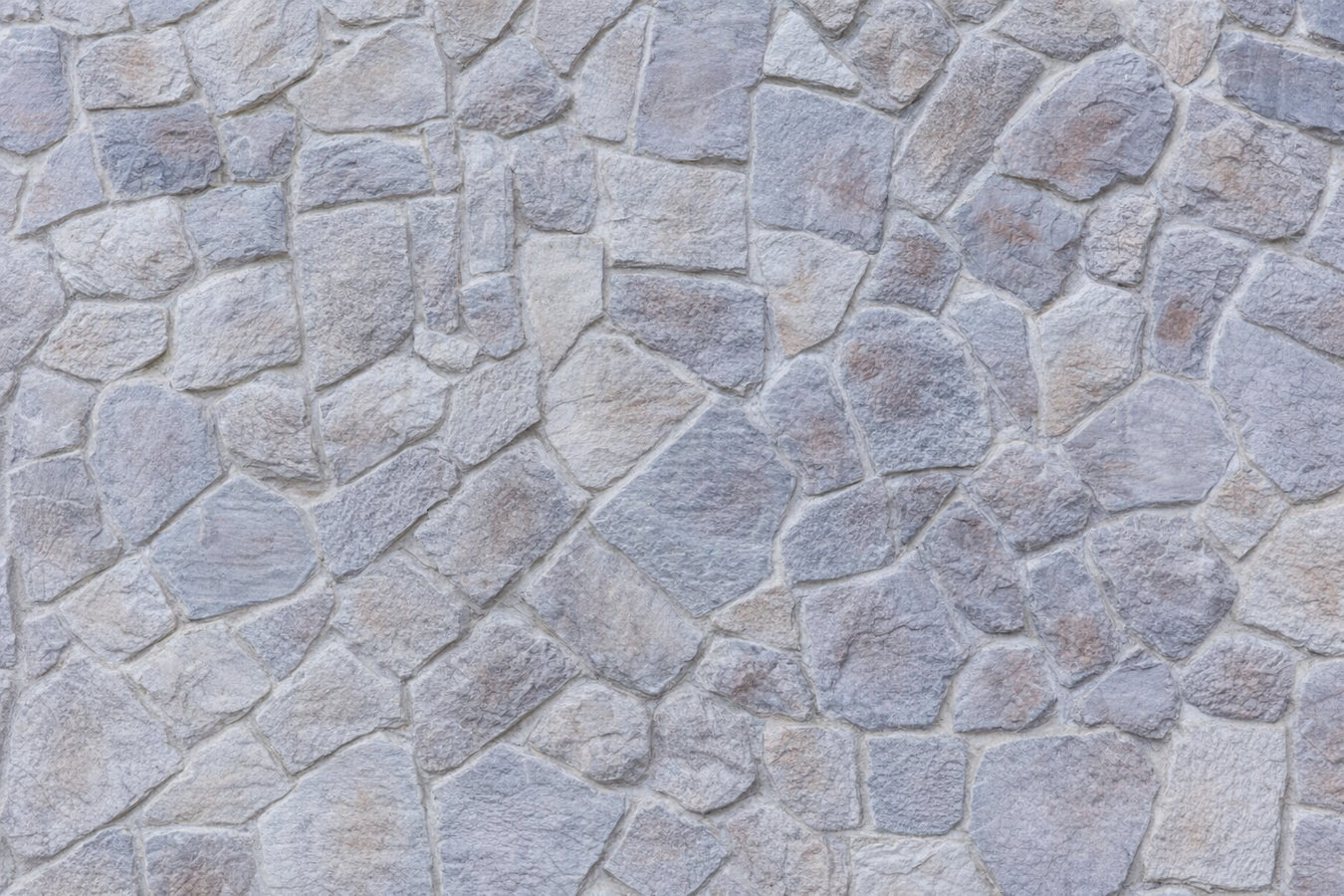
Natural stone - granite, basalt, limestone, or sandstone - is one of the most durable materials available for outdoor work in eastern Washington. A properly built stone wall or walkway in Cheney can last 50 to 100 years or more with only occasional mortar maintenance, making it one of the highest-return exterior investments a homeowner here can make.
A stone wall that is no longer straight is telling you the soil pressure behind it has overcome the structure. In Cheney, Palouse loess soil and wet spring thaws put retaining walls under real stress. If you can see daylight between stones that used to be tight, or if the wall has visibly shifted, that is a structural warning - not a cosmetic issue.
Run your finger along the joints between stones on a chimney, garden wall, or steps. If the mortar comes away easily or has already fallen out, the wall is no longer weathertight. Cheney winters will push water into those gaps, freeze it, and widen the damage every season until the structure needs full rebuilding.
Stone retaining walls and landscape masonry are often the first defense against water moving toward your home. If you notice water sitting against your foundation, soil eroding from a slope, or your yard draining toward the house, a stone retaining wall with proper drainage may be the right fix.
A stone surface that has shifted even an inch or two creates a tripping hazard and signals the base beneath it has moved. In Cheney, this often happens after a wet winter or spring when loess soil absorbs water and settles unevenly. Stones that rock underfoot need attention before someone gets hurt.
Our stone masonry work covers both new construction and repair. On the new construction side, we build retaining walls, walkways, steps, and stone patios - all with the base preparation and drainage planning that Cheney's soil and winters require. For homeowners whose existing stonework is showing signs of age, we handle chimney repointing, step resets, and partial wall rebuilds where the original structure can be saved.
We work with both natural stone and manufactured stone depending on the project and the homeowner's budget. Natural stone offers more character and longer lifespan; manufactured stone costs less but requires the same quality base preparation to hold up in a freeze-thaw climate. Whether you are building something new or restoring something that has been through 50 Cheney winters, the base and drainage work underneath is always the first conversation. We also do stone veneer installation for homeowners who want a natural stone look on a home exterior, fireplace, or accent wall without the weight and cost of full-thickness stone construction.
Suits homeowners dealing with a sloped yard or eroding hillside - built on a proper footing with drainage gravel backfill to prevent water pressure from pushing the wall outward.
Suits those wanting a durable, attractive path or entry feature that holds up through freeze-thaw winters without shifting or heaving.
Suits homeowners with older Cheney homes whose original stone chimneys or foundation features have crumbling mortar or visible cracking after years of freeze-thaw cycles.
Suits those looking to add a long-lasting outdoor living surface or yard feature that does not need repainting, replacing, or seasonal maintenance.
Cheney sits at roughly 2,400 feet in elevation and sees regular hard freezes from November through March, with temperatures often swinging above and below freezing multiple times in a single week. That freeze-thaw cycle is one of the most damaging forces for any masonry project. Water works into small gaps in mortar or beneath a stone surface, freezes and expands, then thaws and contracts - repeating the process every time temperatures cross 32 degrees. A masonry project built without freeze-thaw conditions in mind will typically show cracking or movement within a few winters. Every project we build for Cheney homeowners is designed with this in mind from the ground up. We also serve homeowners in nearby Medical Lake who face the same soil and climate conditions.
The other factor specific to Cheney is the Palouse loess soil that sits beneath most of the city. This fine, wind-deposited silt is fertile farmland but unpredictable under a masonry load. It settles unevenly when wet and can compress differently across a single project site, which is why base excavation and compacted gravel layers are not optional extras here - they are what keeps your wall or patio level five years from now. Homeowners in Airway Heights deal with similar conditions and often contact us for the same reason: a previous project that looked fine at first and then started shifting after one or two winters.
Tell us what you are seeing or what you want built - a retaining wall, repaired steps, a new patio, or something else. Having a rough sense of the size and a photo or two helps. We reply within one business day.
We visit your property to look at the site, the slope, existing drainage, and what the soil looks like. This is when we flag whether a permit is needed and explain what the base preparation will require for Cheney's loess soil.
If your project needs a permit from the City of Cheney, we handle the application. Once permits are in hand, we excavate, compact the gravel base, and begin the stone work - the prep comes first, the visible stone second.
After the final stones are set, mortar needs 24 to 48 hours before light use and up to 28 days to reach full strength. We remove all debris, clean the site, and walk through the finished work with you before we leave.
We visit your Cheney property, look at the site, and give you a written estimate - no obligation, no sales pitch. We reply within one business day.
(509) 241-9778Cheney sits on deep loess that compacts unevenly and shifts when it gets wet. Every project we build starts with the right excavation depth, compacted gravel, and drainage - because a wall built on a shortcut base will move within a few years, no matter how good the stone looks on day one.
Water behind a retaining wall or beneath a patio is the number one reason stone work fails early. We plan gravel backfill, weep holes, and surface slope into the design from the beginning - not as an afterthought. The Natural Stone Institute recommends drainage as a core part of every installation. Natural Stone Institute
Many homes near the Eastern Washington University campus have original stone or brick features built in the 1940s through 1970s. We assess what can be repaired before recommending replacement, and we match existing stone and mortar as closely as possible so repairs look like they were always there.
We are registered with the Washington State Department of Labor and Industries and carry required liability insurance and a bond. You can verify our status using the state's public contractor lookup before signing anything. We encourage every homeowner to check.
Work from a qualified stone mason that lasts is not about using the most expensive stone - it is about preparing the ground correctly and building drainage into every project from day one. That is what we do on every job, and it is why homeowners in this area call us back when they have another project.
Mortar joint repair for brick and stone surfaces where the joints are crumbling, recessed, or letting water in.
Learn MoreA cost-effective way to add natural stone appearance to a home exterior, fireplace surround, or accent wall without the weight of full stone construction.
Learn MoreSpring and summer slots fill fast across the Cheney-Spokane area - reaching out now means you get on the schedule before the busy season books up.